
Hidden Stories Beneath the Surface: Leading with Grace, Gratitude, and Curiosity
Nov 13, 2025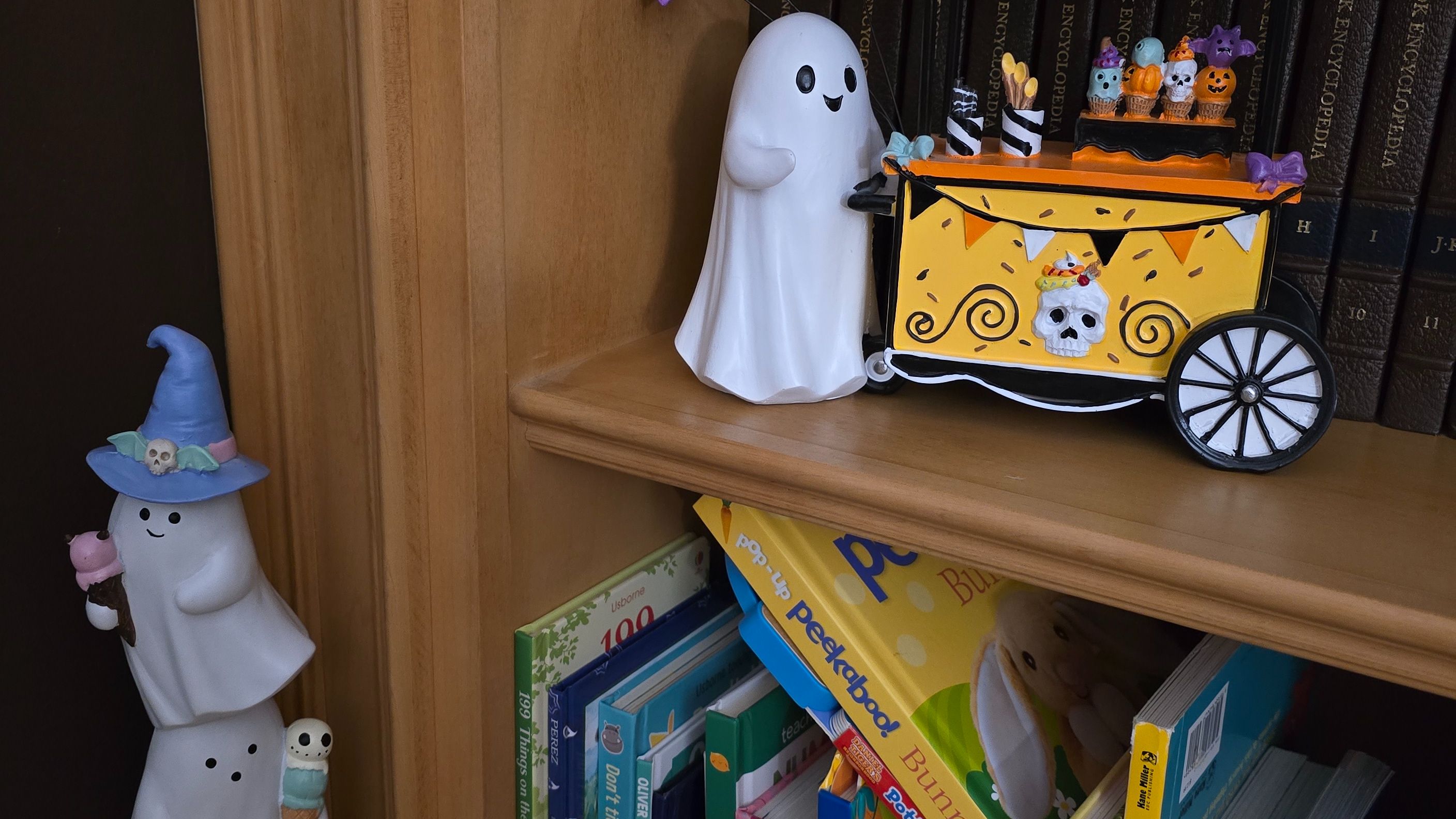
Fall often brings both rhythm and reckoning for school leaders. The newness of the year has faded, systems are settling, and the cracks in implementation begin to show. What once felt like shared excitement can start to sound like questions, hesitation, or even quiet resistance. In these moments, leadership is tested not by how quickly we correct, but by how deeply we listen.
The truth is, every person in a system carries hidden stories: past experiences, cultural scripts, and learned responses. Each story shapes how they show up when pressure builds. As Khalifa (2018) reminds us, leadership that honors epistemology begins by understanding how people *come to know* what they know and why they act as they do. Without that curiosity, we risk labeling protection as defiance and calling history "noncompliance."
A few nights ago, I was reminded of this truth not in a meeting or data review, but in my own living room.
The Living Room Lesson
During our wind-down time, our two toddlers were playing in the living room. Our almost-two-year-old reached up to grab our “Halloween friend,” a decoration of three stacked ghosts eating ice cream. Dad immediately grabbed the figurine and said no in a firm tone. I stepped in to say, gently, that we don’t take things without asking, and redirected our little one toward another activity to avoid a meltdown.
The context matters: the figurine is made of durable plaster, and the kids helped pick it out after noticing spooky decorations around town. While she should have asked before touching it, we intentionally placed the Halloween friend lower on the shelf to help her practice this skill safely, under supervision. Dad, though, grew up visiting homes where touching decorations was strictly off-limits, a lesson tied to memories of being told things would break, or worse, that he would get hurt or in trouble. His reaction in that moment wasn’t about the ghost at all; it was a protective reflex shaped by his own story.
This is epistemology at work—the way our lived experiences inform our understanding of the world. As Dr. Khalifa (2018) and others note, our knowing is contextual, deeply tied to identity, culture, and prior experience. When stress hits, we default to what has kept us safe. For Dad, that meant protecting the object (and the child) through firmness. For me, as the leader of the routine, it meant noticing his reaction and pausing before responding. That pause created space for empathy and recalibration.
Leadership Reflection: The Stories Beneath Resistance
This moment mirrors what we see in schools. Educators’ responses to change are often shaped by unseen histories, previous leadership decisions, shifting expectations, or systems that didn’t deliver on promised support. When we label a teacher as "resistant," we risk overlooking the root cause: unmet needs, loss of trust, or past experiences of top-down change that felt unsafe.
Technical fixes like incentives, mandates, or buy-in campaigns might temporarily move data, but they rarely move hearts. As Elena Aguilar (2013) describes, effective leadership in moments of challenge requires emotional intelligence, reflection, and the willingness to ask the harder question: What is the barrier or need not being met? Leadership with grace and curiosity doesn’t excuse accountability; it deepens it by rooting it in understanding.
Schein (2017) emphasizes that culture shifts only when leaders engage in genuine inquiry, a posture of curiosity rather than control. Adaptive leadership, as Heifetz and Linsky (2002) remind us, requires distinguishing between technical problems (those we can fix with expertise) and adaptive ones (those that require shifts in values, beliefs, and relationships). Educators’ hesitation to implement new practices often reflects adaptive challenges: they aren’t resisting what we’re asking, but how it feels to be asked again, without acknowledgment of their experience.
When we slow down enough to hear those stories, we shift from enforcing to engaging. We move from compliance-driven leadership to compassion-driven leadership—not soft leadership, but human leadership.
Reflection Questions for Leaders
- When you notice resistance, what assumptions are you making about its cause?
- How can you create conditions where staff feel safe enough to share their stories?
- What parts of your own epistemology, your ways of knowing and responding, might shape how you lead under stress?
Closing Reflection
Leadership in the fall is rarely about adding new initiatives; it’s about deepening connection to the people who make implementation possible. Just as I needed to pause and see the story behind my husband’s reaction, we as leaders must pause to see the stories shaping our teams. Grace gives us the time to slow down. Gratitude allows us the space to listen. Curiosity helps us find meaning in what we hear.
References
Aguilar, E. (2013). The Art of Coaching: Effective Strategies for School Transformation. Jossey-Bass.
Heifetz, R., & Linsky, M. (2002). Leadership on the Line: Staying Alive through the Dangers of Leading. Harvard Business Review Press.
Khalifa, M. (2018). Culturally Responsive School Leadership. Harvard Education Press. Schein, E. H. (2017). Organizational Culture and Leadership (5th ed.). Wiley.
Written by Dr. Morgan Goering, Founder of Making Champions of Change. As a Catalyst of Knowledge and advocate for systems that empower others, she is leaning into her core value of gratitude this season and recognizing that the clarity found in fall’s reflective moments is powerful, yet fleeting if not captured.
